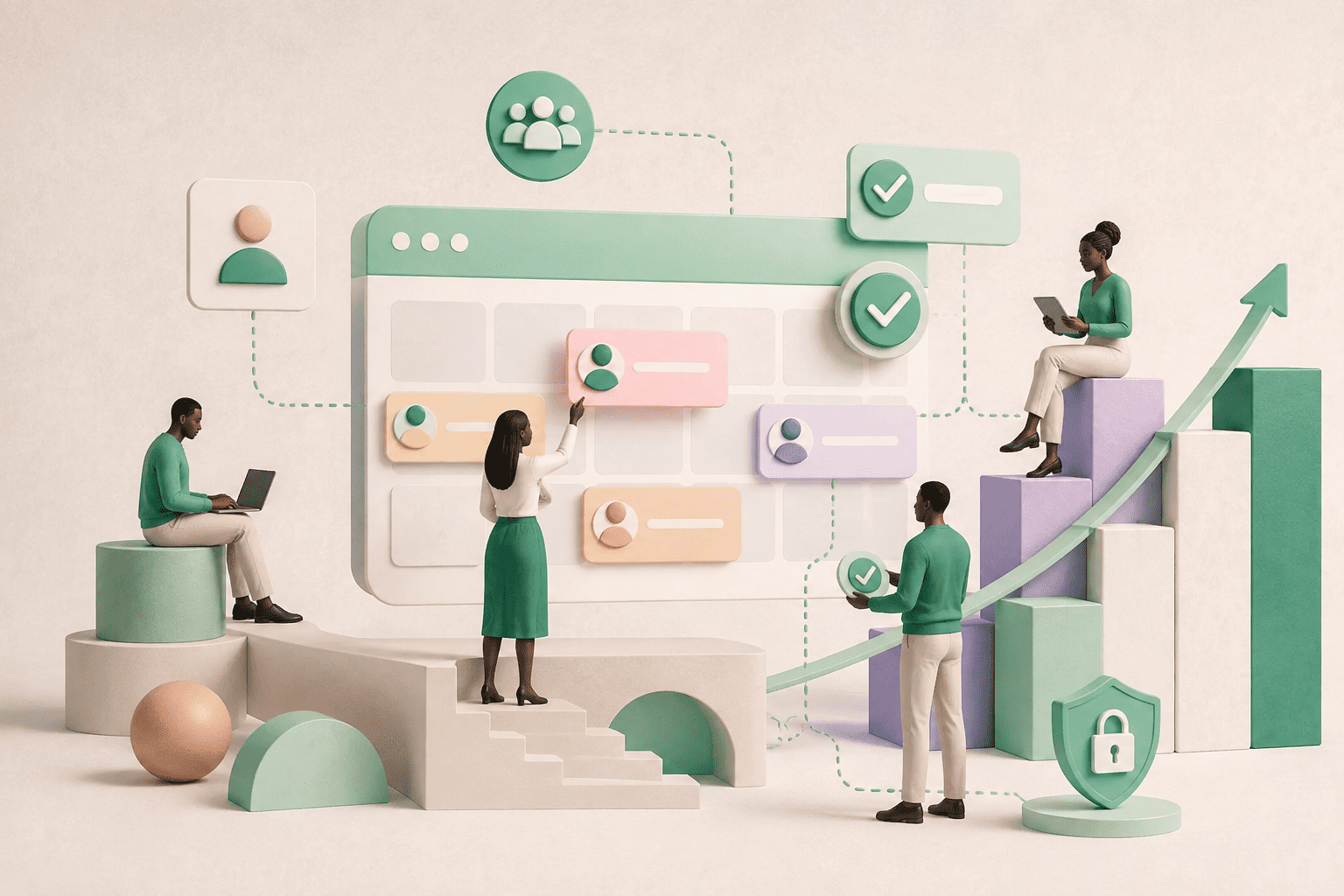
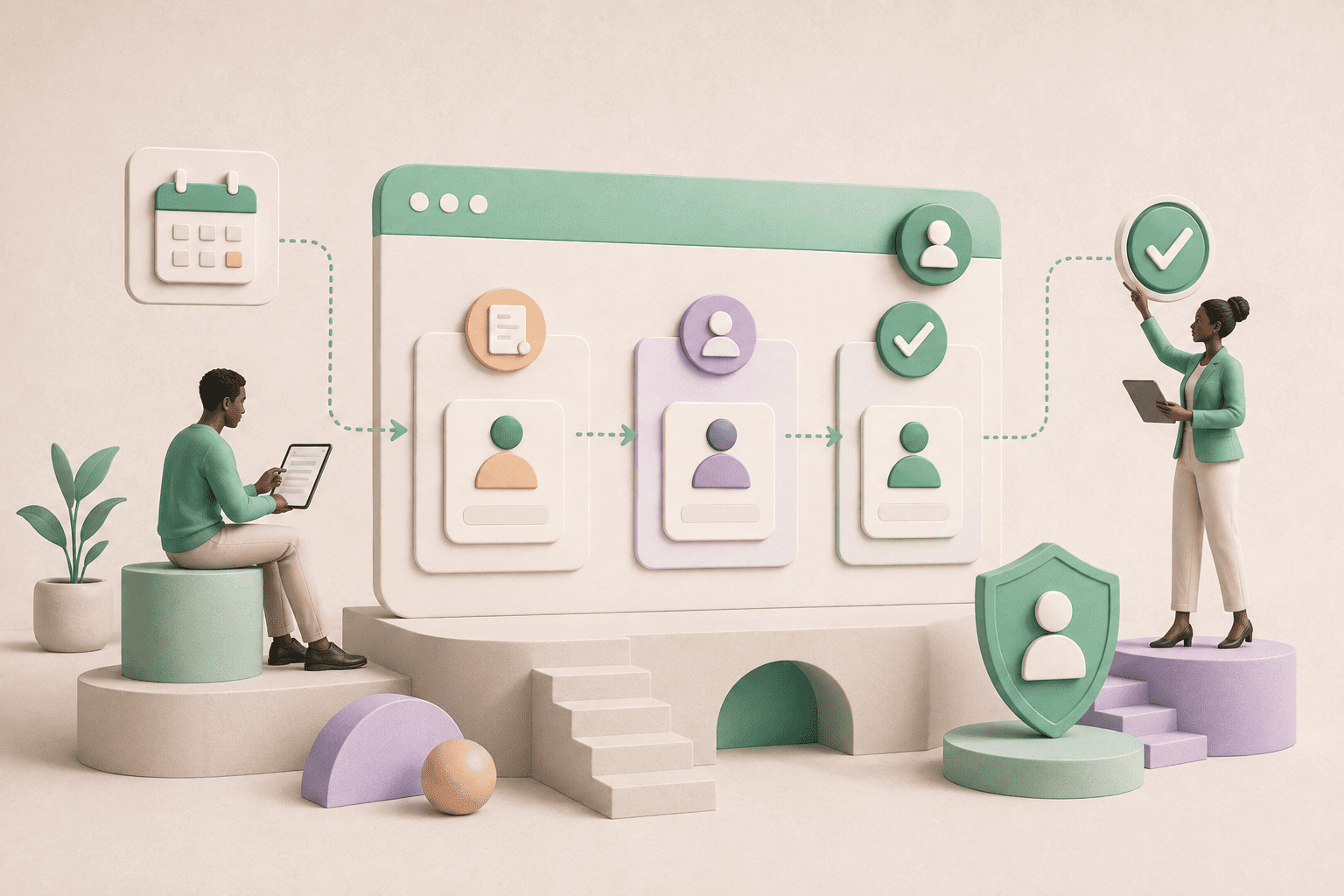
A performance review is a structured, two-way conversation between a manager and an employee focused on performance, progress, and growth. For professionals across Africa — from Lagos to Nairobi — these reviews have shifted from a stressful annual event to an ongoing dialogue that drives real development. Understanding what a performance review is, how it works, and why it matters helps both managers and employees get more value from every cycle.
You might feel nervous because it’s time for your annual performance review, and it feels like everything you do is under review.
Professionals all over Africa, from Lagos to Nairobi, have had the same experience. But now, performance reviews are shifting from a stressful yearly event to an ongoing conversation.
So, what does a performance review really mean today?
What is a performance review? A clear definition
A performance review is more than a scorecard or a form. It is a “structured, two‑way, individualized conversation between a manager and an employee focused on performance, progress, and growth”.
This definition points out some key things: the review has a clear purpose, both people are involved, it’s tailored to each employee, and it focuses on progress and growth, not just judgment.
In a performance review, a manager looks at how an employee is doing, highlights strengths and areas to improve, gives useful feedback, and sets goals for what’s next.
This shows that a review isn’t just a one-way evaluation. It’s a conversation meant to align expectations and help employees grow.
Many companies still call these meetings performance appraisals or evaluations, using terms from older management styles.
Some HR leaders prefer the word review because it suggests both sides can talk and reflect, not just receive a decision from above.
Today, reviews are just one part of a larger system that includes regular check-ins, goal setting, coaching, and development planning.
Why performance reviews are important
Performance reviews serve many purposes. For employees, they show what’s going well, what could be better, and how their work fits into the company’s bigger picture.
Reviews help make expectations clear and give employees a chance to share their achievements and discuss any challenges. They can also boost engagement.
Gallup research shows that 80% of employees feel more engaged after getting meaningful feedback.
Companies that set clear goals during year-end reviews have employees who are five times more likely to feel engaged.
For managers, reviews are a set time to praise top performers, address problems early, and make sure employee goals match the team and company strategy.
For organizations, regular reviews help build a culture where learning and growth are always encouraged.
Performance reviews give managers and employees a chance to pause, see the bigger picture, and plan what to do next.
When reviews are more than just a formality, they help people feel valued, encourage teamwork, and build a supportive company culture.
Also, companies that focus on performance management tend to do better than others.
McKinsey research cited by HiBob suggests that businesses prioritizing their people’s performance are 4.2 times more likely to outperform peers in revenue growth and experience lower attrition.
In Africa’s competitive markets, keeping good employees is important, and structured reviews can help companies stand out.
Key components of effective reviews
Modern performance reviews have four main parts: feedback, goal alignment, engagement, and development. Together, these make the review a conversation about growth.
These four parts turn the review into a chance to talk about ongoing improvement.
Feedback helps with coaching, goals connect each person’s work to the company’s plans, engagement helps employees feel appreciated, and development plans show the next steps in a career.
Types of performance reviews
There are different types and schedules for performance reviews. Knowing the options helps organizations choose what works best for them.
Continuous performance reviews include regular, real-time feedback and coaching. These can be weekly or monthly check-ins, sometimes with feedback from peers and direct reports. Fast-moving sectors and startups often use this approach because it helps them stay flexible.
Structured or formal performance reviews are planned meetings that follow set steps and clear standards. They usually happen once or twice a year, or every quarter. These reviews help measure performance, recognize achievements, and guide decisions about pay or promotions. Many large African organizations still use annual reviews to meet rules and adjust salaries.
Role or project-specific reviews focus on a certain task, project, or period. They highlight work that might not fit into the usual review schedule. For example, after launching a new mobile banking app in Lagos, a tech team might hold a project review to discuss what they learned and thank those who contributed.
New-hire or probation reviews check how well a new employee is settling into their job and the company. These usually happen after 30, 60, or 90 days to make sure onboarding is going well.
Modern trends and challenges
People still debate whether traditional annual performance reviews are useful. Some think these yearly reviews are old-fashioned, lower motivation, and don’t help people grow.
For example, in a Reddit discussion, employees said annual reviews felt pointless because they only led to small bonuses and didn’t give much helpful feedback.
On the other hand, people who support continuous feedback say employees want regular recognition and coaching.
Old-style, top-down reviews with lots of forms are being replaced by more active methods. These include regular feedback, weekly or bi-weekly one-on-one meetings, quarterly or twice-yearly reviews, 360-degree feedback, coaching for the future, and goal setting.
This change makes sense. With remote and hybrid work, managers can’t always see daily performance, and employees, especially younger ones, want quick, collaborative feedback.
Modern reviews aim to be more understanding, flexible, and in step with fast changes in technology and how companies are organized.
There are still challenges. Some people feel that constant feedback is too much, while others worry that frequent reviews might just turn into casual talks without real results.
Also, switching to new review methods means managers need training to give good feedback and avoid bias.
African context
Performance management looks different across Africa because of the many cultures, industries, and stages of development.
African Talent Company research shows that Nigerian organizations often adopt the Balanced Scorecard, valuing its comprehensive view of financial, customer, internal process, and learning metrics.
In Uganda, Management by Objectives (MBO) is popular, aligning individual goals with organizational objectives.
Ghanaian businesses favor 360‑degree feedback for its holistic insights, while Kenyan companies blend 360‑degree feedback with Objectives and Key Results (OKRs) to combine qualitative feedback with measurable goals.
These systems show what each culture values most.
In Nigeria, the Balanced Scorecard’s focus on financial and customer metrics resonates with competitive corporate environments.
In Ghana, 360‑degree feedback is consistent with communal values and the importance of peer perspectives.
Kenya’s hybrid approach reflects a tech‑savvy workforce that combines both measurement and collaborative feedback.
Knowing these differences is important for companies that operate in many African countries.
African HR leaders also face special challenges, like limited resources, resistance to new systems, and concerns about favoritism.
Mobile-friendly technology has made a big difference. During the COVID-19 pandemic, Kenyan companies used mobile tools to collect feedback from remote and field workers.
Similarly, Nigerian start-ups use messaging apps and simple digital tools for regular check-ins.
Adapting performance review processes to local language, technology, and management styles helps people accept and use them more effectively.
How technology is reshaping reviews
Digital tools have changed how performance reviews work. HR software like Talstack lets organizations set and track goals, collect feedback from many people, schedule check-ins, and create reports.
Talstack also includes learning paths, so employees can take courses that match their development goals.
By linking performance data with learning tools, organizations create a cycle where reviews guide development, and development improves performance.
Frequently asked questions (FAQ)
How often should performance reviews happen?
It depends on your company’s culture and industry. Many still do yearly reviews, but some now have them every quarter or twice a year. Monthly check-ins with ongoing feedback help fix issues quickly and avoid surprises.
Who takes part in a performance review?
Usually, it’s the employee and their manager. Some companies also include feedback from peers, direct reports, or self-assessments for a fuller picture. HR may oversee the process to keep it fair.
What should I get ready for a performance review?
Employees should list their achievements, challenges, and examples of work that match their goals. Managers should gather performance data, feedback from others, and notes from the review period.
How can we make performance reviews less stressful?
Make feedback a regular part of work, so the formal review is just a summary, not a surprise. Use clear guidelines, simple templates, and encourage open conversation. Celebrate achievements and talk about ways to grow.
Do performance reviews affect pay?
In many companies, ratings and feedback help decide raises, bonuses, and promotions. Some companies, however, keep pay talks separate from reviews to focus on growth.
What if I do not agree with my review?
Talk with your manager to clear up any confusion. If you still disagree, most companies have a process for handling disputes, such as talking to HR.
Conclusion
Today’s performance review is very different from the stressful yearly meetings many people remember.
Now, it’s a planned, two-way conversation that sets clear expectations, celebrates achievements, and helps plan for growth.
Good reviews depend on regular feedback, clear goals, employee involvement, and development.
Reviews can be ongoing check-ins, yearly meetings, or project-based. They need to adapt to remote work and younger employees who want quick feedback.
Technology is closing gaps by making feedback mobile-friendly and connecting performance data with learning tools.
When done right, performance reviews help build a strong work culture, increase engagement, and improve business results.
Most importantly, reviews turn the old anxiety of 'judgment day' into a helpful conversation that supports employees and connects them to the company’s success.






.webp)